

Your vehicle’s torque converter plays a critical role in the performance of your automatic transmission. It is responsible for transferring engine power to the transmission and allows your car to come to a stop without stalling. When it fails, it can cause a range of problems, from slipping gears to complete loss of drive. Unfortunately, many drivers are unaware of what a torque converter does or what leads to its failure—until something goes wrong.
If you’ve noticed unusual symptoms from your transmission or your vehicle feels different when shifting or idling, a faulty torque converter could be the reason. Here’s a closer look at what causes these converters to fail and what signs to watch for.
What Is the Torque Converter
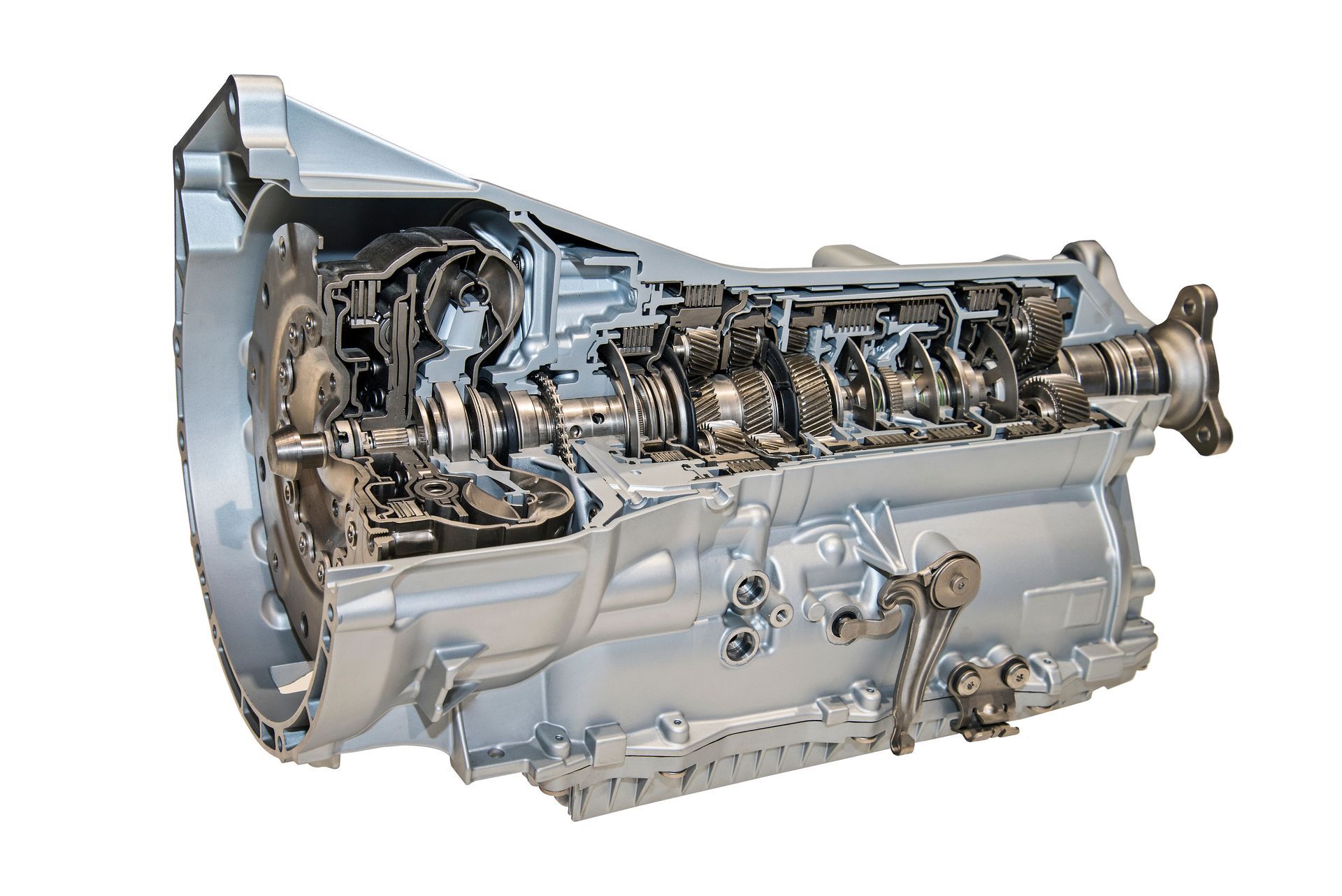
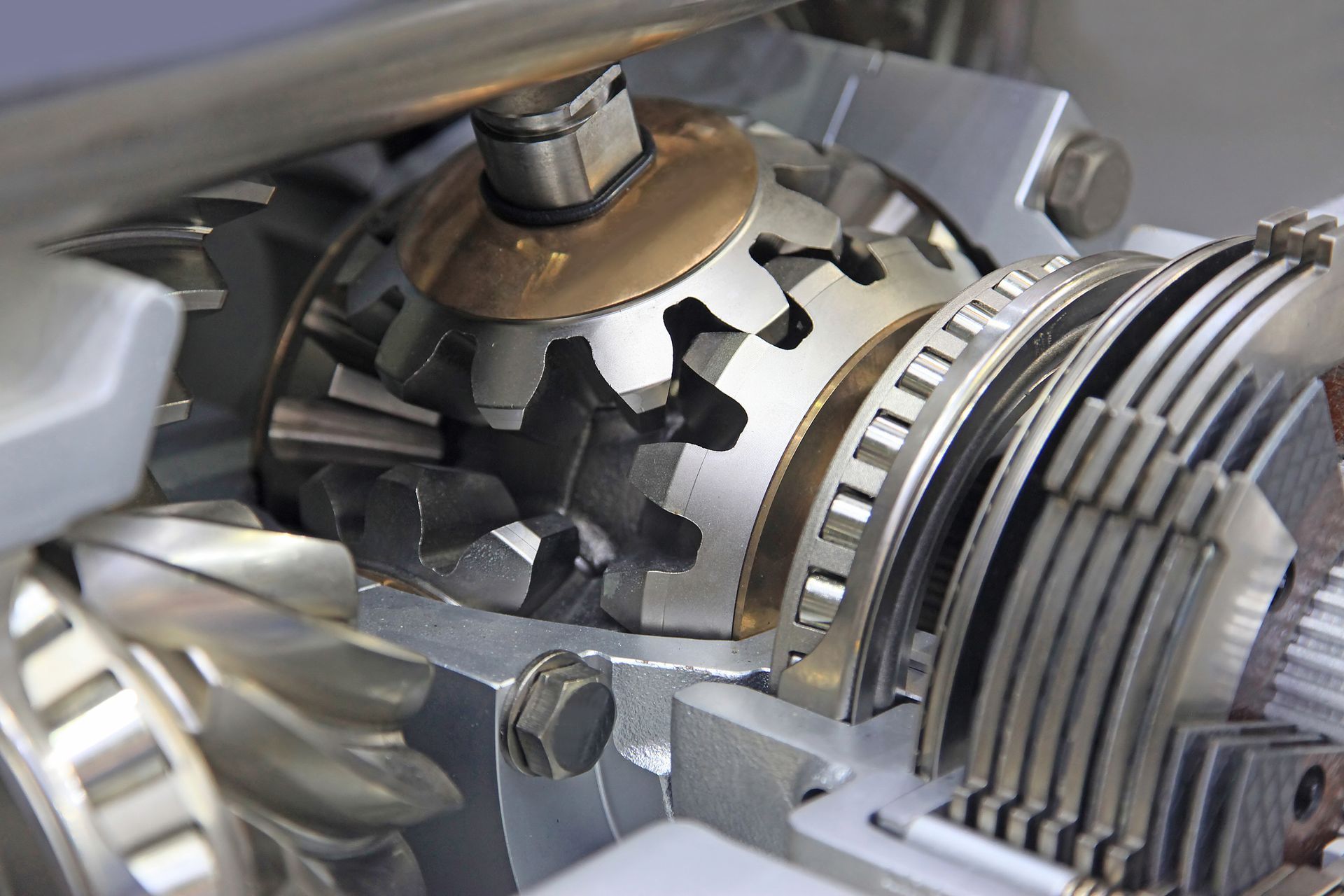
In automatic vehicles, the torque converter takes the place of a manual clutch. It connects the engine to the transmission and allows the engine to spin independently from the wheels when your car is at a stop. Inside the converter are three main parts: the pump, turbine, and stator. Together, these parts manage fluid flow and transfer torque to the transmission.
When the torque converter is working properly, gear shifts are smooth and the vehicle responds as it should. But when something goes wrong inside the converter, the entire transmission system can be affected.
Common Causes of Torque Converter Failure
Several factors can contribute to torque converter problems. These issues may develop gradually or occur after prolonged use. The most common causes include:
1. Overheating
Heat is one of the biggest enemies of any transmission component. Excessive heat breaks down the transmission fluid and weakens the internal parts of the torque converter. Once fluid begins to lose its protective properties, internal components like the bearings and seals start to wear out more quickly.
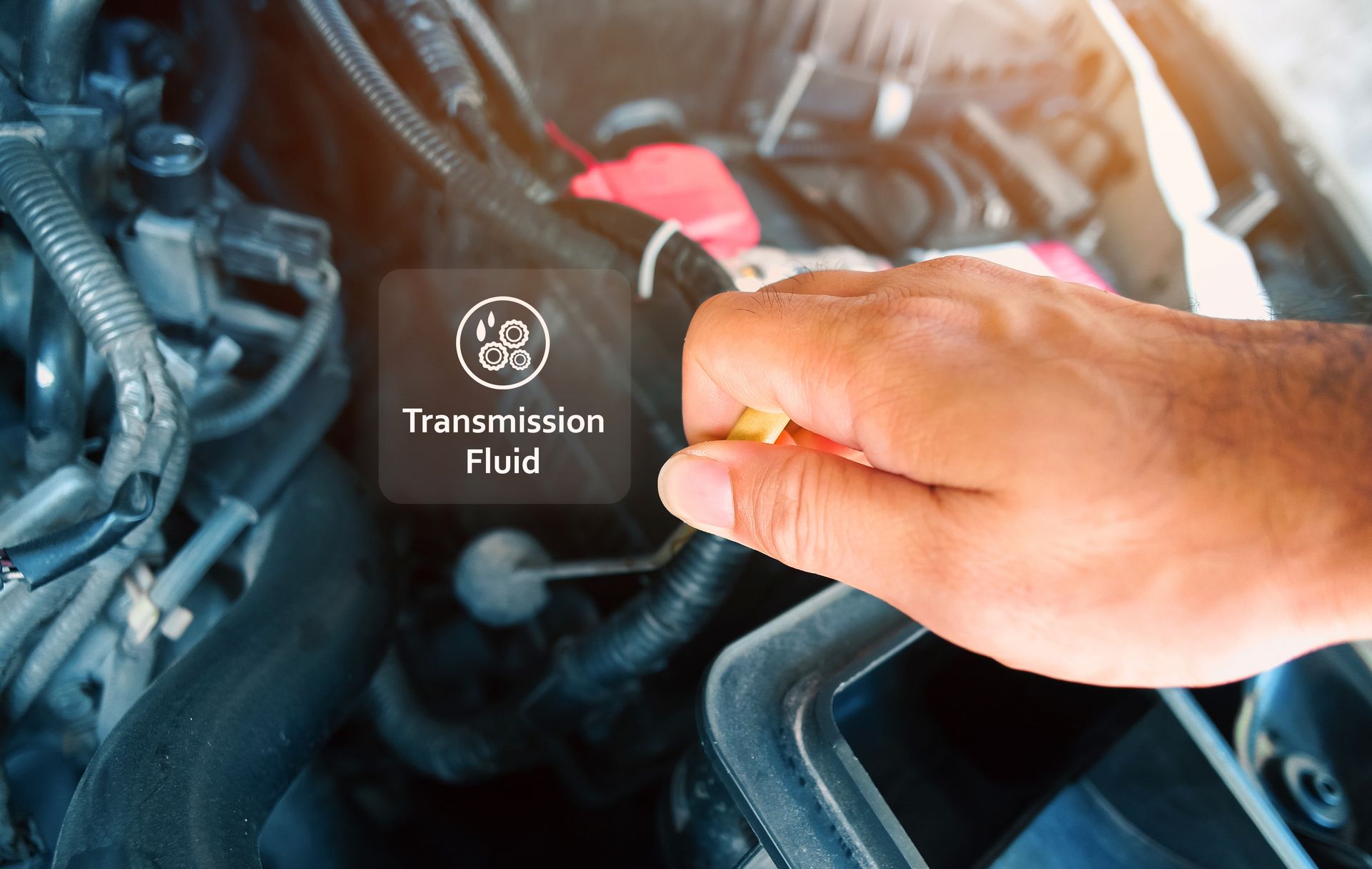
2. Dirty or Low Transmission Fluid
Transmission fluid provides both lubrication and hydraulic pressure. If it becomes dirty or contaminated, it can lead to internal damage. Low fluid levels reduce the amount of pressure in the system, which affects how the torque converter operates. Without enough fluid, the converter cannot generate the force needed to move the vehicle smoothly.
3. Worn Needle Bearings
The needle bearings inside the torque converter reduce friction between the turbine, stator, and pump. Over time, these bearings can wear out. When they do, you may hear unusual noises while in gear or feel extra resistance during shifting.
4. Damaged Torque Converter Clutch
Modern torque converters include a clutch that locks the converter at higher speeds to improve fuel efficiency. If the torque converter clutch becomes stuck or fails to engage properly, you may experience slipping, rough shifts, or poor fuel economy.
Symptoms of a Failing Torque Converter
Many torque converter problems start with subtle signs. If you catch them early, you may avoid more serious transmission damage. Here are some common symptoms:
- Slipping gears or loss of acceleration
- Shuddering or vibrations when driving at steady speeds
- Strange noises while idling in gear
- Delayed or harsh gear changes
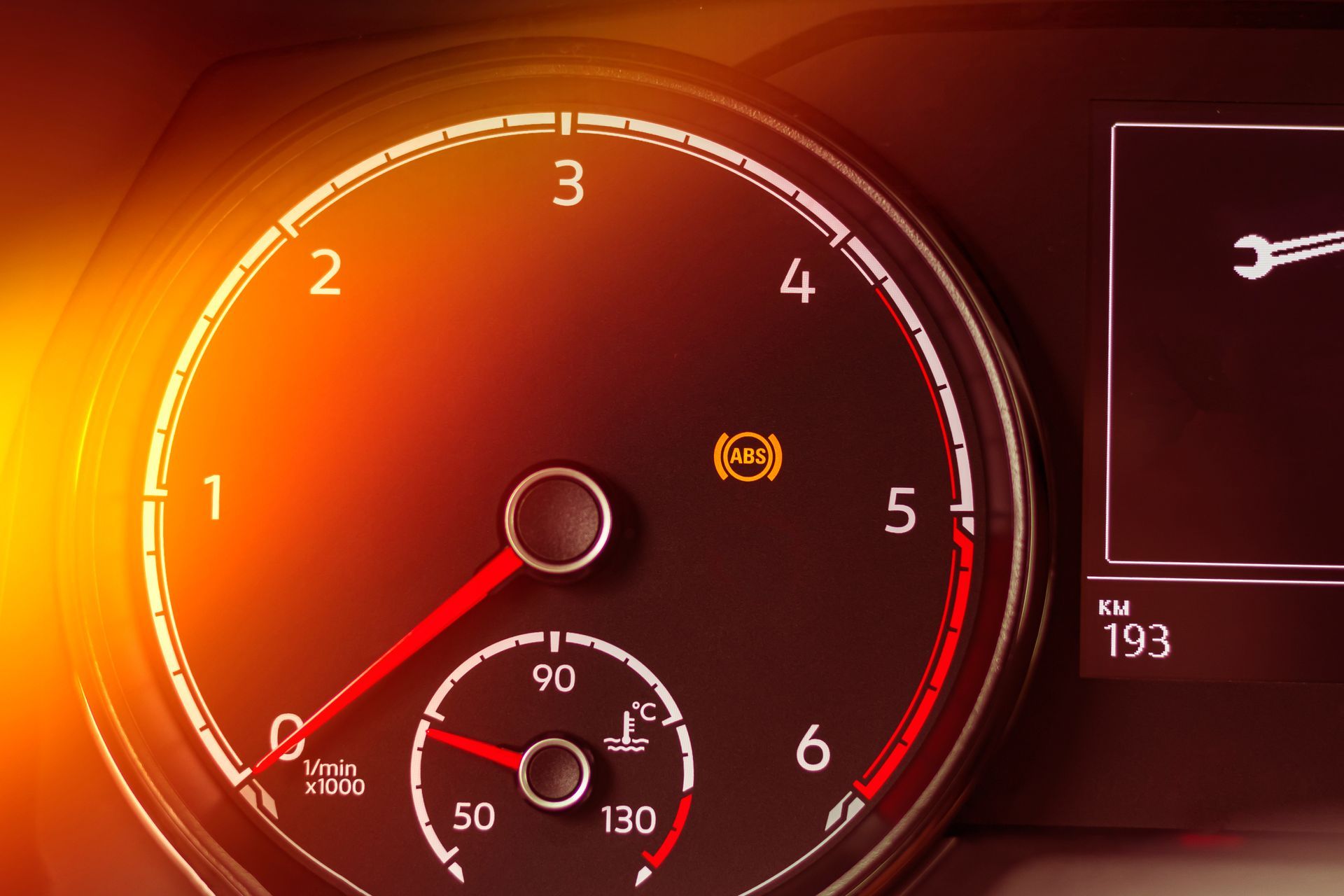
- Overheating transmission warning light
- Dark or burnt-smelling transmission fluid
Some of these symptoms may seem like general transmission issues, but they can often be traced back to the torque converter.
Can a Torque Converter Be Repaired
In some cases, the torque converter itself can be rebuilt or replaced without needing to replace the entire transmission. However, because the converter shares fluid with the transmission, damage can sometimes spread between components. If metal shavings or debris are found in the fluid, a full inspection is necessary to assess the health of both systems.
That is why it is so important to address symptoms early. Waiting too long could turn a manageable repair into a major transmission rebuild.
Preventing Torque Converter Failure
Routine transmission service is the best way to prevent torque converter failure. This includes fluid changes at the intervals recommended by your vehicle’s manufacturer, as well as periodic inspections for leaks, unusual shifting behavior, or overheating.
Using the correct transmission fluid is also critical. Not all fluids are the same, and using the wrong type can affect how your torque converter performs. Make sure your technician uses the fluid that is specifically designed for your vehicle.
Keep Your Transmission Healthy with Eagle Transmission & Auto Repair in Texas
Whether you're noticing signs of torque converter trouble or just want to stay ahead on maintenance, Eagle Transmission & Auto Repair has 25 locations across Texas ready to help. Our transmission experts can diagnose and repair torque converter problems, perform fluid services, and keep your automatic transmission running at its best.
Book an appointment today and protect the performance of your vehicle with experienced, reliable service.